US strikes on Kharg Island raise pressure on Iran’s oil lifeline
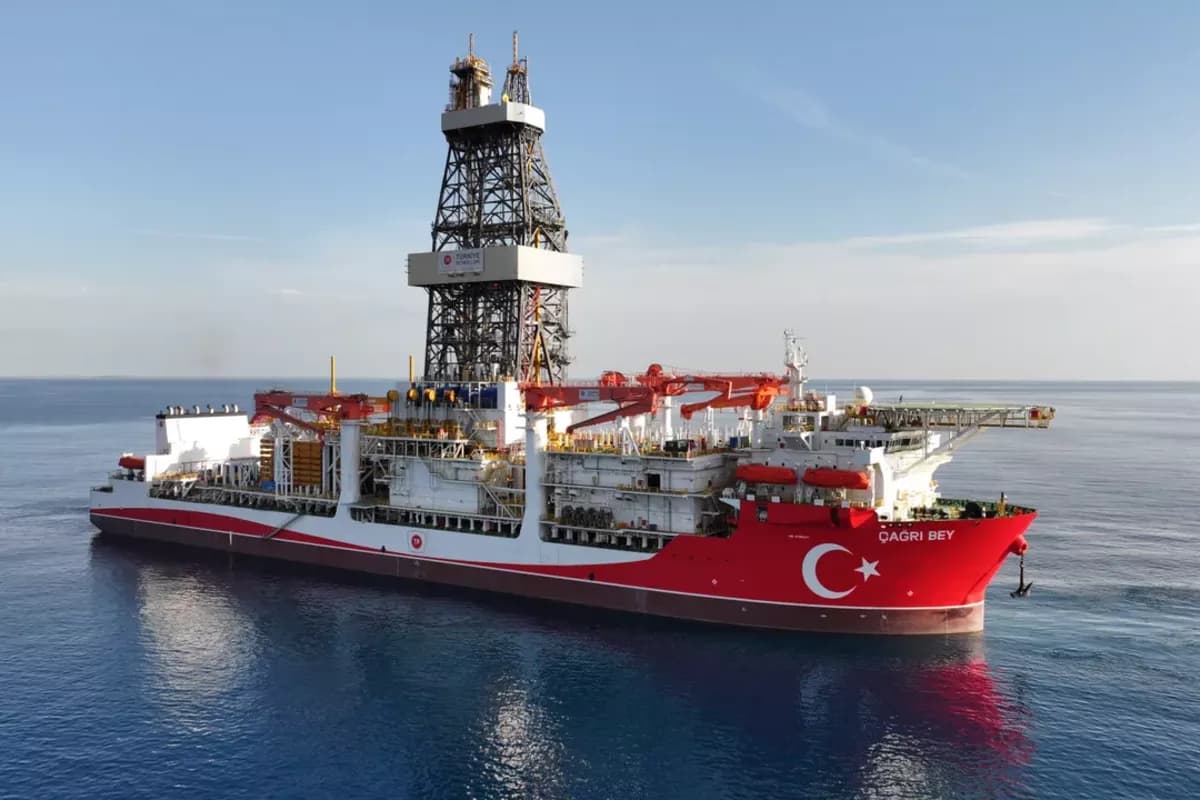
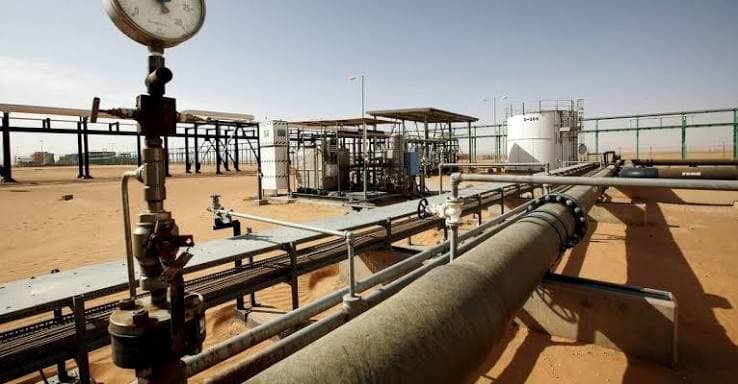
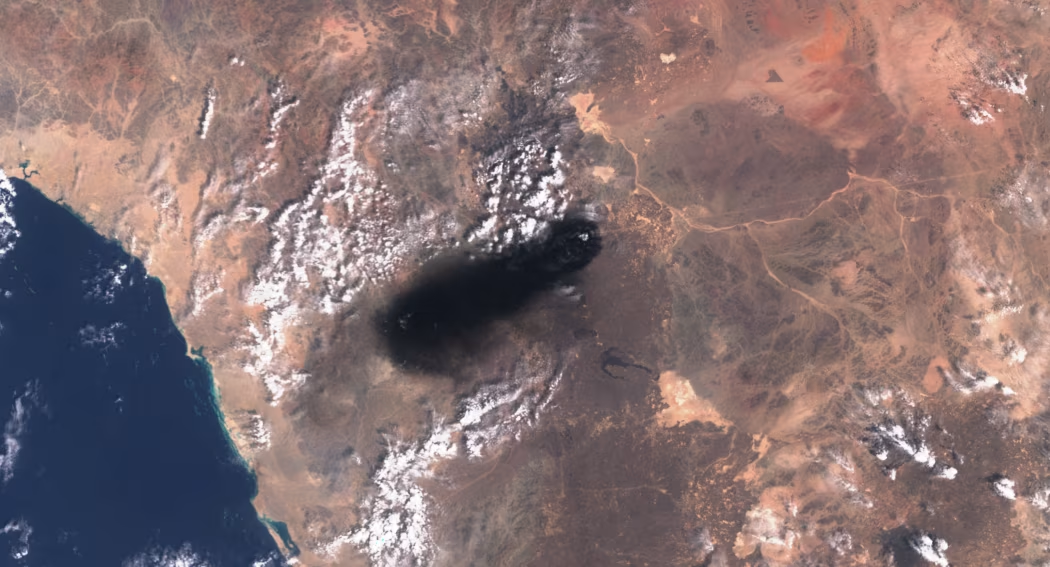
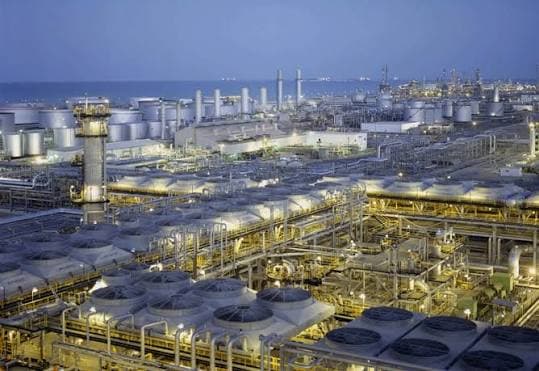
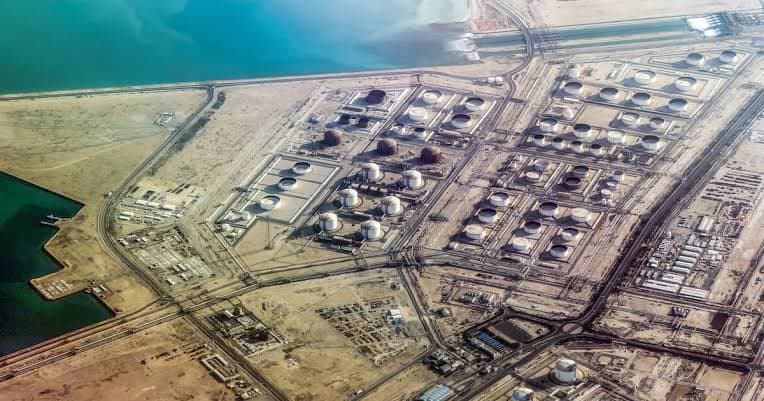
US strikes hit military sites on Kharg Island, Iran’s main oil export hub. Oil terminals were spared, signalling pressure on Tehran without creating a further supply shock.
Curated analysis of major regional and global developments in energy markets.
US strikes hit military sites on Kharg Island, Iran’s main oil export hub. Oil terminals were spared, signalling pressure on Tehran without creating a further supply shock.
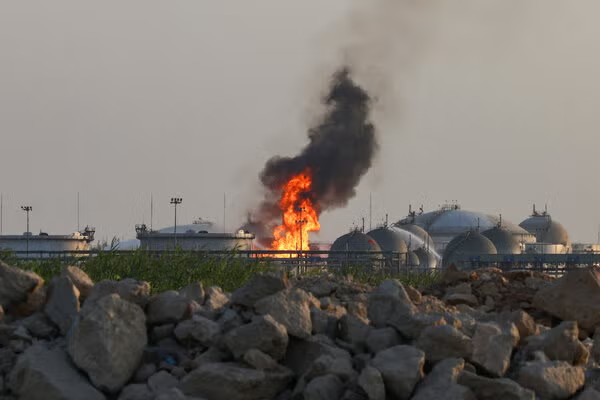
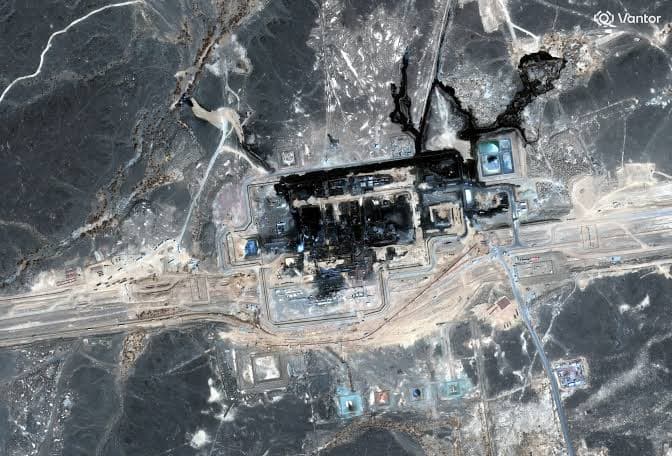
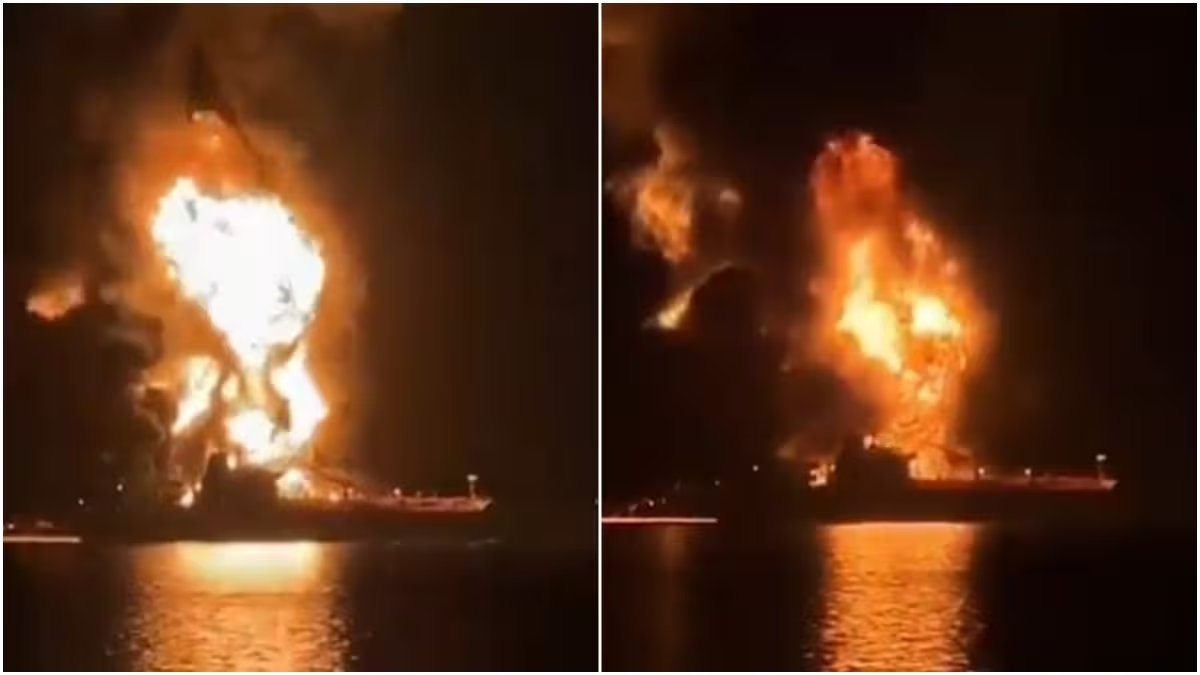
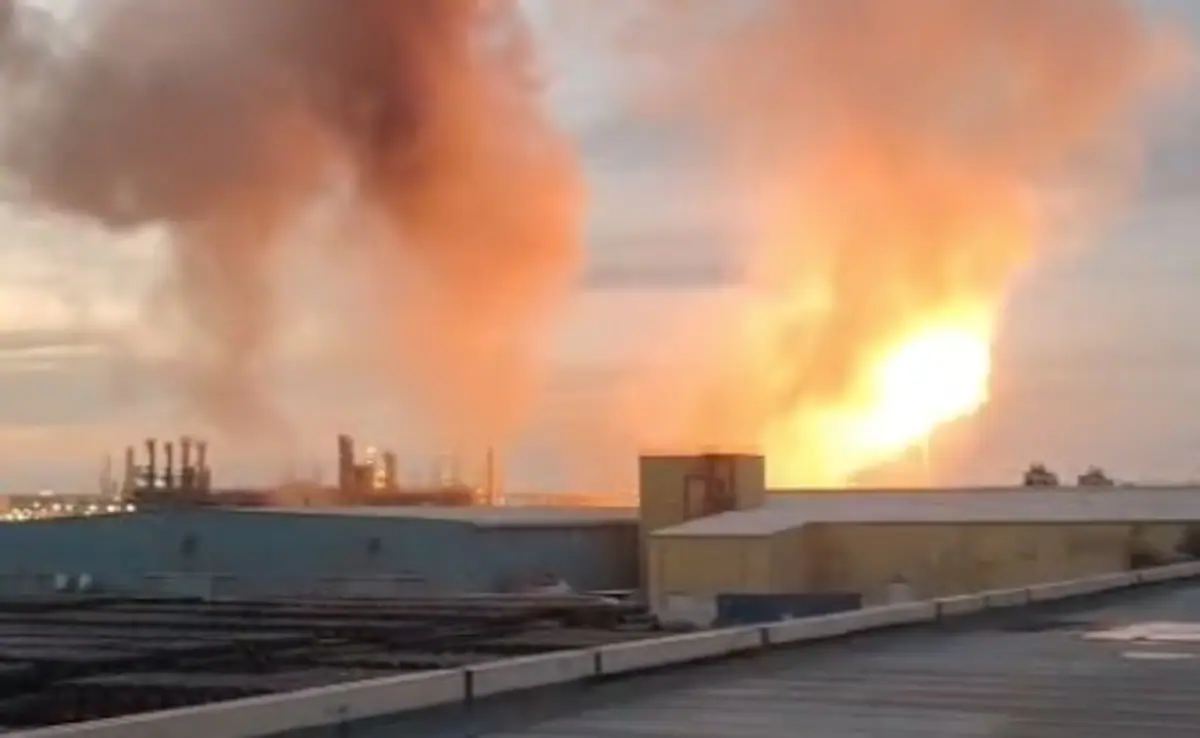
A drone strike sparked a fire at ADNOC’s Ruwais complex, forcing a precautionary refinery shutdown. The attack highlights growing risks to Gulf refining infrastructure as the conflict expands.

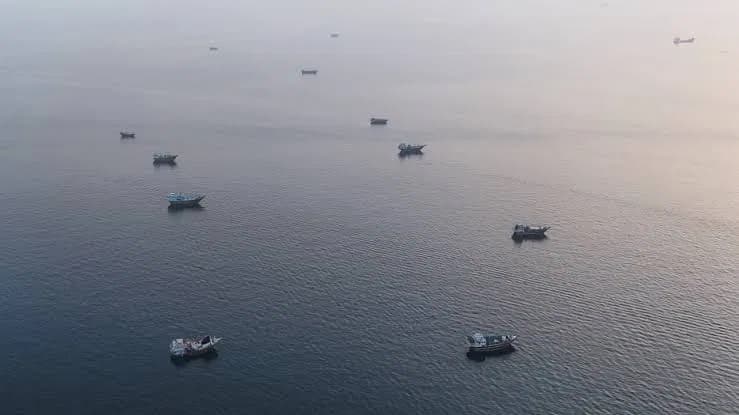
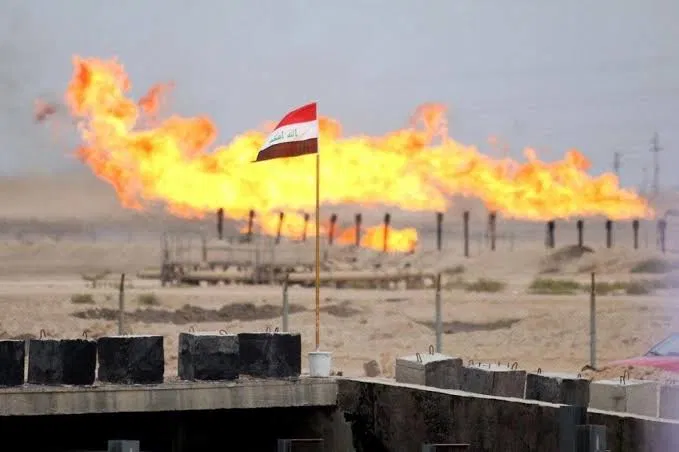
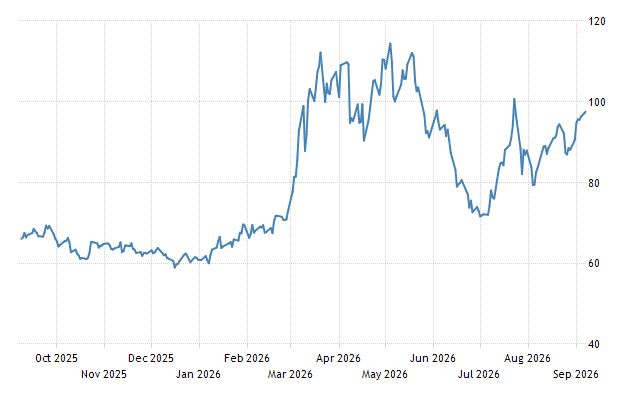
Oil surged back to $100 after explosions hit two foreign tankers in Iraqi waters, forcing Iraq to halt port operations.

IEA members agreed to release 400 million barrels from emergency reserves amid ongoing attacks on oil infrastructure and the disruption of shipping through the Strait of Hormuz.

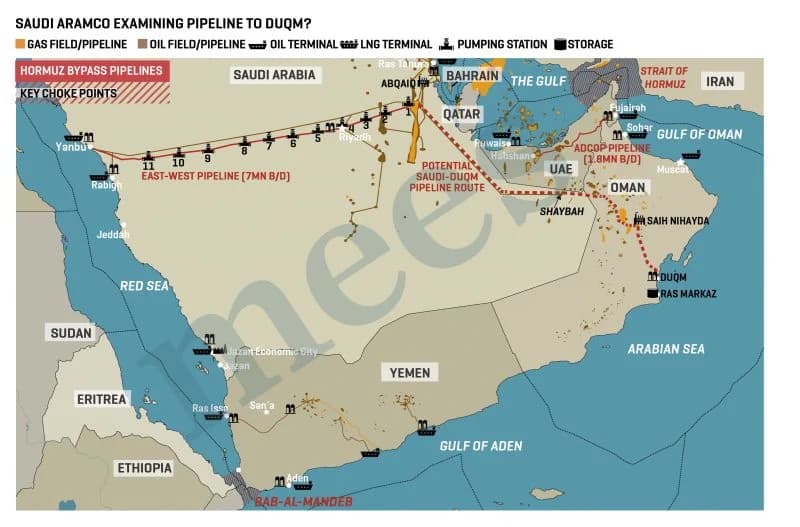
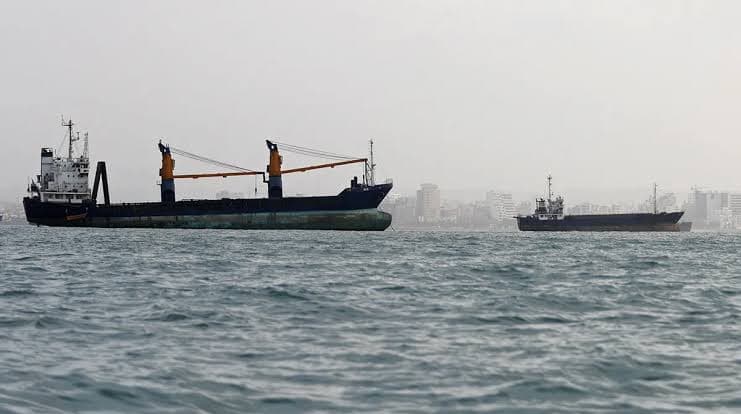
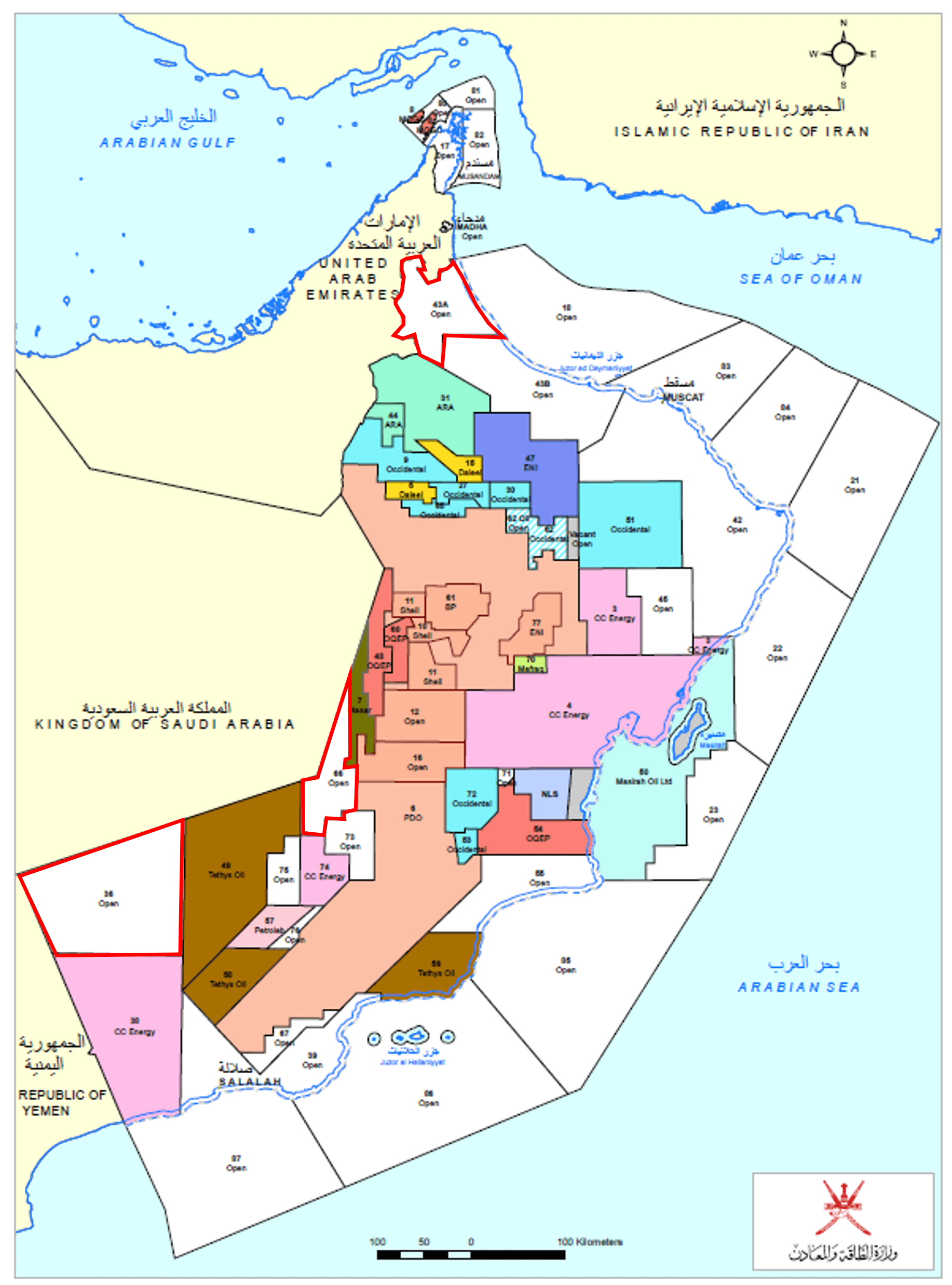
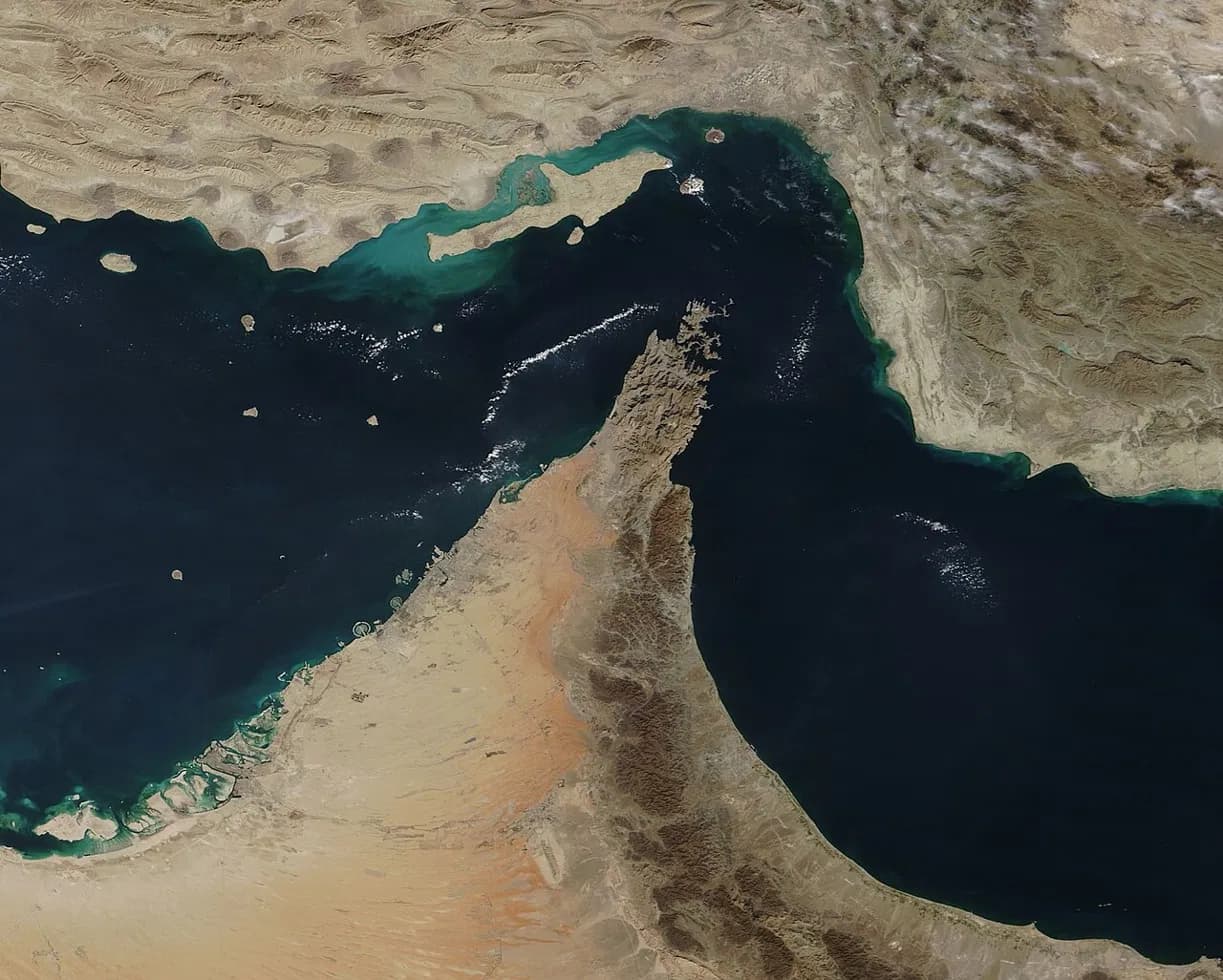
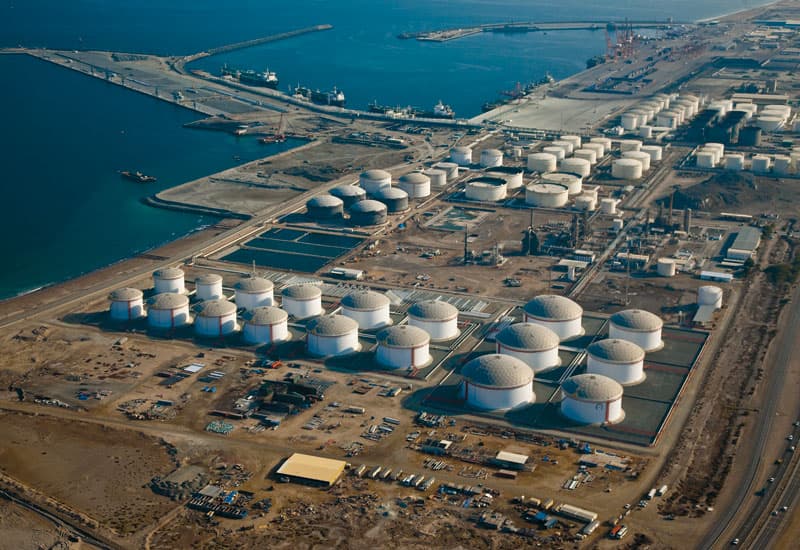
Attacks on Gulf energy infrastructure are intensifying, with three tankers struck near the Strait of Hormuz and strikes reported on Ruwais and oil storage facilities at the Omani port of Salalah.

Strike hits Bahrain’s Sitra refinery, forcing Bapco Energies to declare force majeure. The attack highlights a broader shift in the conflict, with strikes increasingly targeting Gulf infrastructure.

The conflict is moving beyond Hormuz. Iran’s strikes on refineries, LNG plants and ports signal a shift from shipping disruption to targeting the Gulf’s energy system itself.

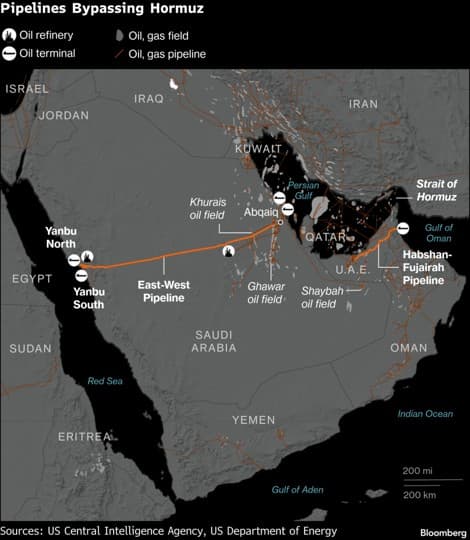
Hormuz closure is becoming a real supply shock. Iraq has already cut 1.5 million b/d as storage fills and exports stall. Without tanker access, production cuts could exceed 3 million b/d within days.

Escalating conflict between Iran, Israel and the United States has led to widespread precautionary shutdowns of key energy facilities across the Middle East.

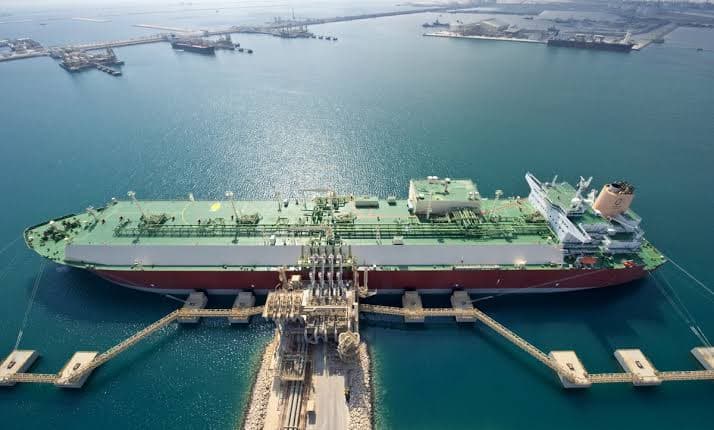
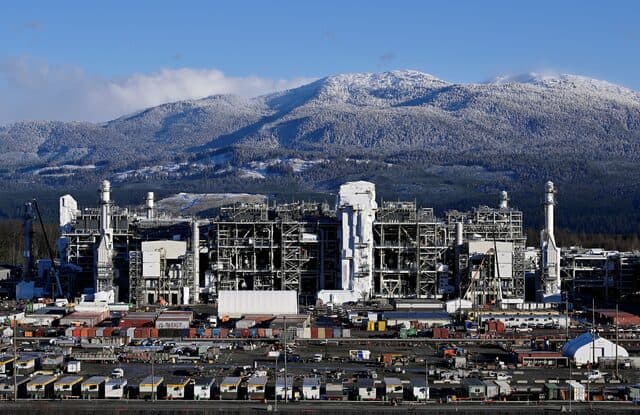
QatarEnergy has halted LNG output after a strike on Ras Laffan, removing ~20% of global supply overnight. With Hormuz disrupted, this marks an unprecedented shock to the interconnected LNG market.

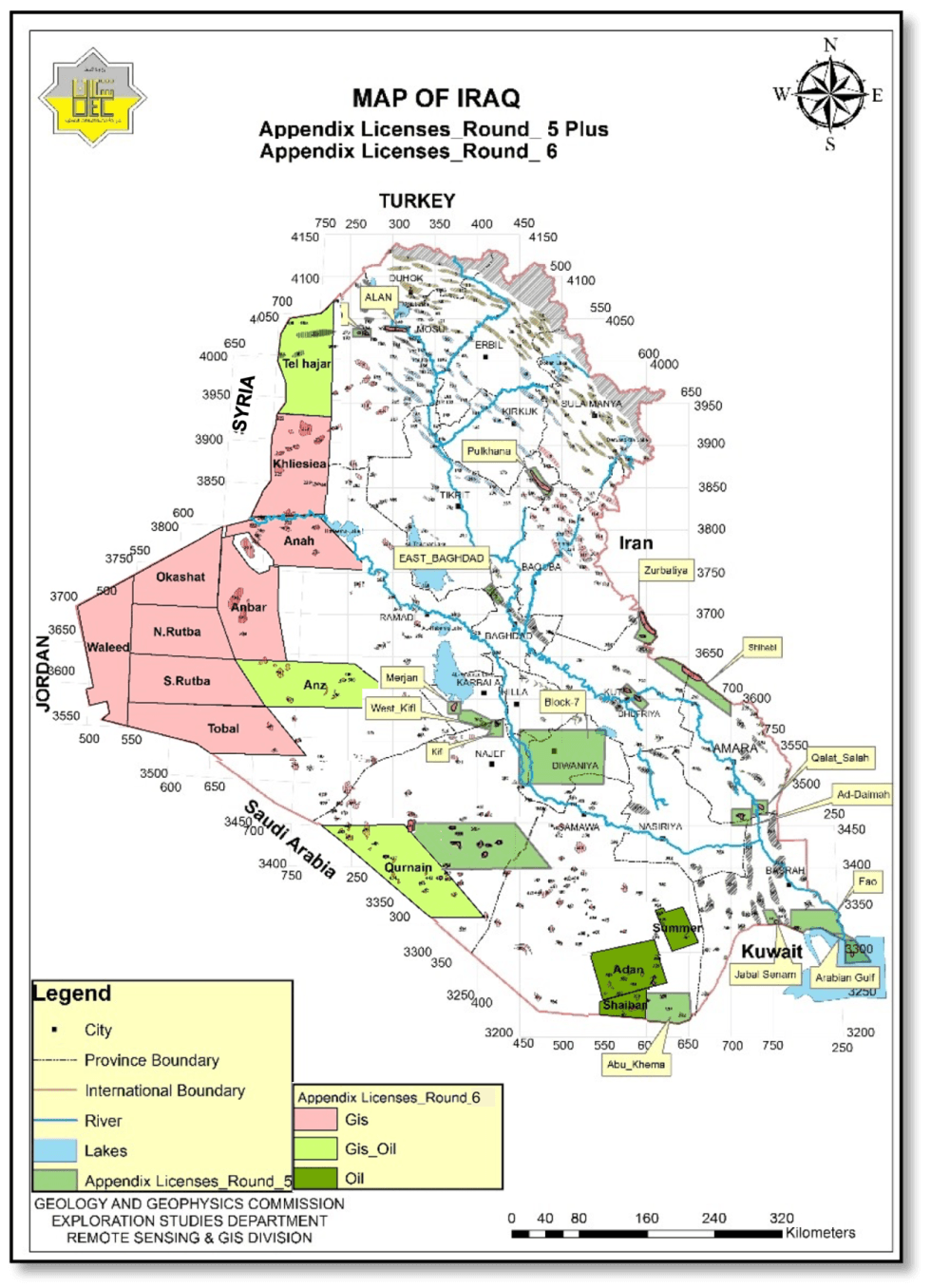
Northern Iraq has stopped 200,000 b/d, while Basra’s 3 million b/d exports face Hormuz disruption risk. Limited storage and rising security threats leave Iraq’s oil flows highly vulnerable.

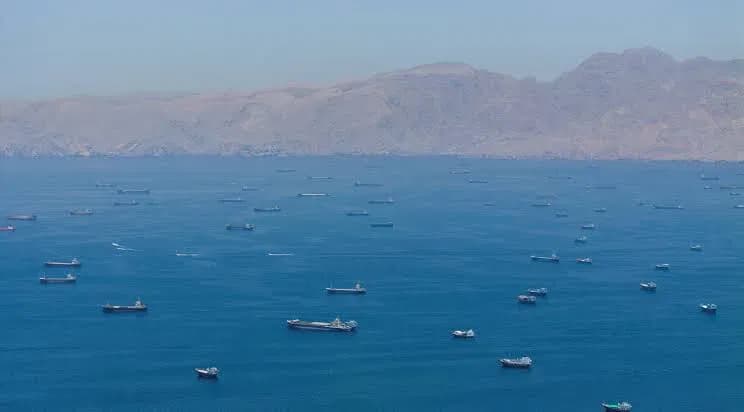
Oil jumped as U.S. and Israeli strikes on Iran stoked fears of wider conflict and disrupted tanker traffic through the Strait of Hormuz, where three vessels were hit amid rising supply risk.

Saudi Aramco has halted LPG exports from its Juaymah terminal in eastern Saudi Arabia after structural damage to part of the propane and butane delivery system.

Saudi Aramco announces the start of production at Jafurah, the Middle East’s largest unconventional gas play, and the commissioning of Tanajib, one of the world’s largest gas processing facilities.

OQ targets 300 kboe/d by 2030, up from 230 kboe/d at end-2024. Strategy centres on domestic expansion, near-term M&A and exploration. Earnings pressured by lower oil prices, net profit down 15%.

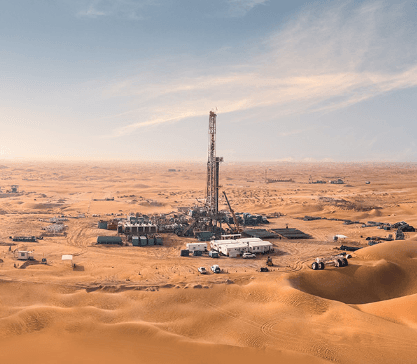
EOG says wells have been drilled in both UAE and Bahrain, with results expected in Q2 2026. Bahrain has multiple wells completing; UAE completions begin shortly, with activity weighted to the UAE.

QatarEnergy has awarded the EPC contract for the onshore LNG facilities of the North Field West, the final phase of its expansion programme that will lift Qatar’s LNG production capacity to 142 mmtpa.

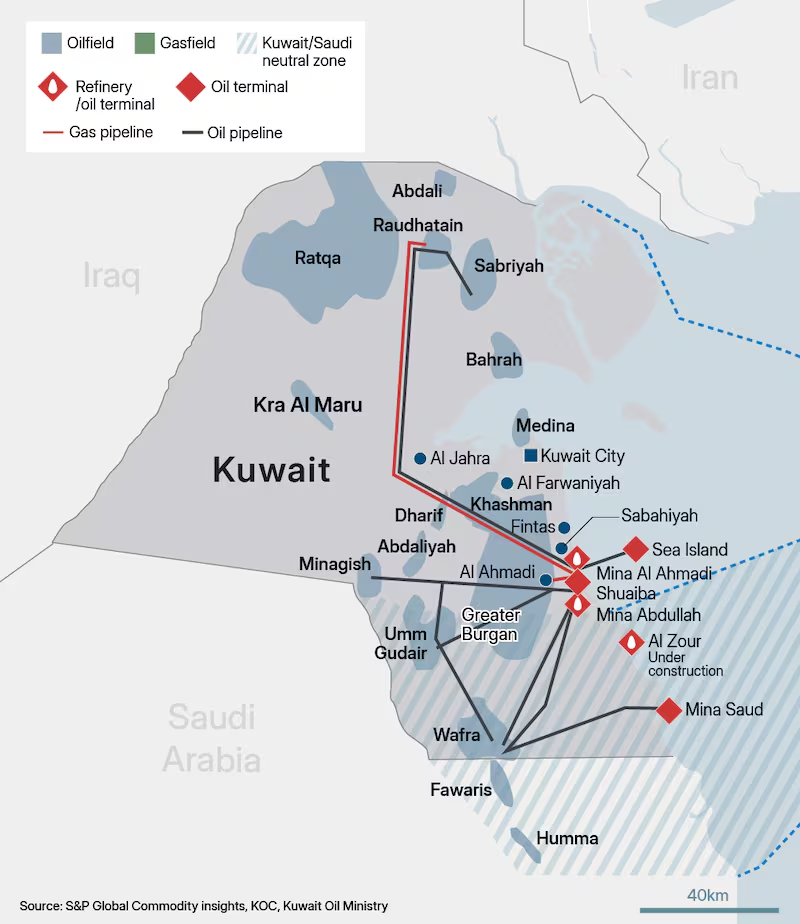
KPC is in early talks over a potential $7bn stake sale in its crude oil pipelines. BlackRock, Brookfield, EIG and KKR have shown interest, alongside Silk Road Fund and China Merchants Capital.

Saipem secures a $500m offshore contract from Aramco under its LTA. Scope includes EPCI of a 48-inch trunkline (65 km offshore, 12 km onshore) plus subsea facilities at the giant Safaniyah field.

KBR wins a major contract from Basra Oil Co. for Iraq’s giant Majnoon field. KBR will deliver engineering, operations, and AI-based optimization, boosting production and local employment.

Iraq’s oil sector gains further momentum. Initial agreements signed to transfer West Qurna 2 management to Chevron and to develop Nasiriyah, 4 exploration blocks in Dhi Qar and the Balad field.

Major midstream expansion is underway in Kuwait. The country has approved $1.5bn in crude oil pipeline contracts for KOC.